Creating a relaxing home office environment is essential for maintaining focus, reducing stress, and enhancing overall productivity. Whether you’re working full-time from home or occasionally tackling tasks outside your usual workspace, a calming setup can make a significant difference. Below, we explore useful strategies to help you design an inviting and soothing home office.
Why a Relaxing Home Office Matters
Your workspace has a big impact on your mood and efficiency. When your office feels cluttered or uncomfortable, it can increase distractions and make it harder to concentrate. On the other hand, a well-organized, calming space supports clear thinking and creativity, making your workday more enjoyable.
Choosing the Right Location
Find a Quiet Spot
Select a part of your home that is relatively quiet and free from heavy foot traffic. This helps minimize interruptions and background noise, allowing you to focus better.
Natural Light Is Key
If possible, position your desk near a window. Natural light helps regulate your body clock, improves mood, and reduces eye strain. Avoid placing your screen directly against bright sunlight to prevent glare.
Ergonomic Furniture and Setup
Invest in a Comfortable Chair
Your chair should support your lower back and allow your feet to rest flat on the floor. Ergonomic chairs prevent discomfort that can distract you during long work sessions.
Desk Height Matters
Your desk should be at a comfortable height to keep your wrists straight while typing. Adjustable desks or desk converters allow you to switch between sitting and standing, which encourages movement and reduces fatigue.
Organize Your Equipment
Keep your monitor at eye level and your keyboard and mouse within easy reach. Use cord organizers or trays to keep cables neat and avoid tangles.
Declutter for a Clear Mind
Regular Tidying
A cluttered desk can cause mental clutter. Spend a few minutes each day organizing papers, supplies, and gadgets to maintain order.
Minimize Decor
Choose a few meaningful or calming decorations instead of covering every surface. Plants, artwork, or a simple diffuser can bring life and pleasant scents without overwhelming the space.
Add Elements of Nature
Bring in Greenery
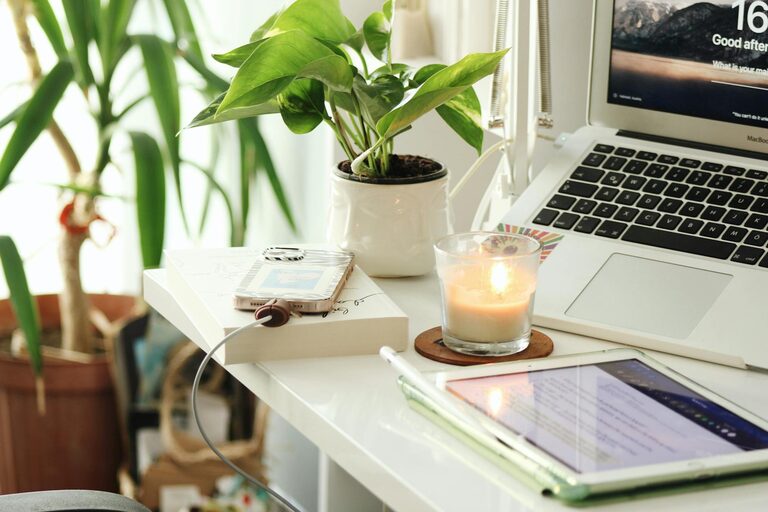
Indoor plants have been shown to reduce stress and boost productivity. Easy-care options like succulents or pothos are great for beginners.
Natural Materials
Consider furniture or décor made of wood, bamboo, or stone to add warmth and grounding textures to your office.
Control Lighting and Ambience
Use Layered Lighting
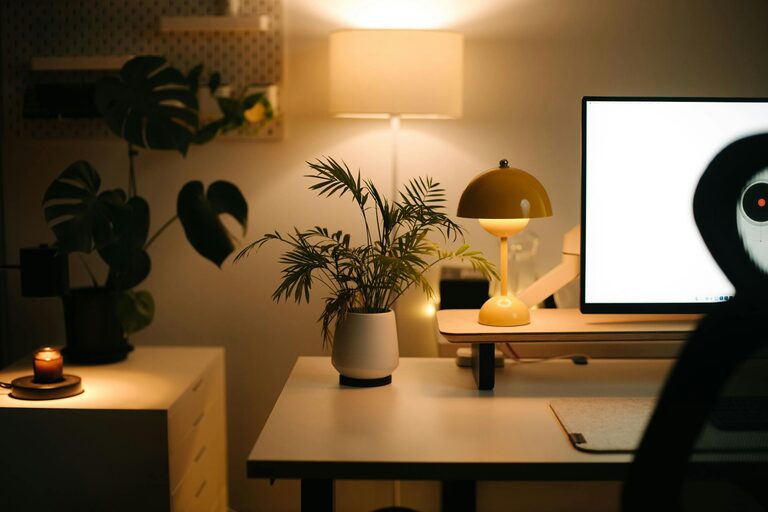
Beyond natural light, use a combination of overhead lights, desk lamps, and floor lamps to create a balanced and adjustable light plan.
Choose Warm Light Bulbs
Soft, warm lighting is easier on the eyes and promotes relaxation, unlike harsh, bright fluorescent lights.
Add Personal Touches
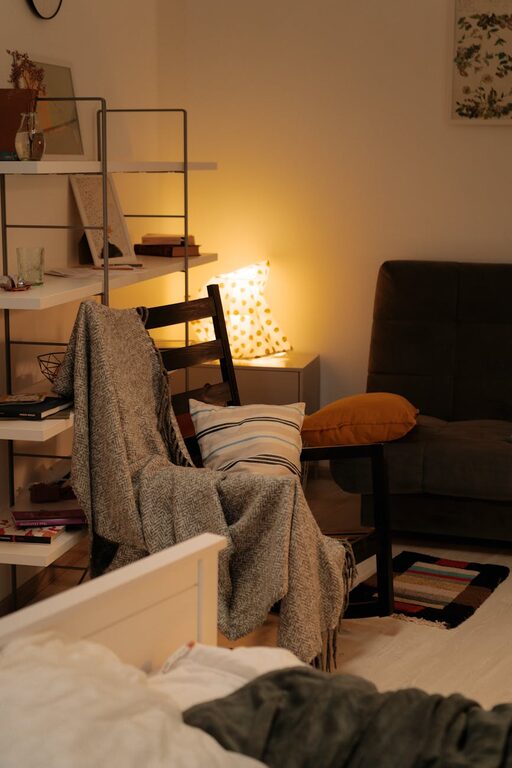
Items like a cozy throw blanket or comfortable cushions can enhance your comfort and make the space inviting.
Manage Noise Levels
Use Noise-Canceling Headphones
If your environment is noisy, these headphones can help block distractions and improve your focus.
Add Soft Textiles
Rugs, curtains, and cushions absorb sound and reduce echo, creating a quieter atmosphere.
Incorporate Break and Movement Spaces
Create a Relaxation Corner
Include a small seating area or yoga mat nearby for quick breaks that help you recharge without leaving your office.
Schedule Stretch Breaks
Set reminders to stand up, stretch, or take a short walk regularly to reduce tension and boost circulation.
Maintain Healthy Habits
Keep Water and Snacks Handy
Staying hydrated and nourished supports mental clarity and energy.
Personalize Lighting and Temperature
Adjust blinds, fans, or heaters to maintain a comfortable temperature and light level, tailoring your environment to your preferences.
—
By thoughtfully designing your home office with relaxation and productivity in mind, you can create a space that supports your well-being and work goals. Implement these tips step by step and enjoy a more peaceful, efficient workday right at home.