Creating a cozy and functional home office space is essential for anyone who works remotely, freelances, or simply needs a dedicated area for personal projects. A well-designed workspace can improve focus, reduce stress, and help maintain a healthy work-life balance. Whether you’re setting up a new office or refreshing an existing one, these practical tips will guide you through designing a space that feels inviting and supports your work needs.
Choose the Right Location
Selecting the ideal spot for your home office is the first step. Consider the following:
– Natural Light: If possible, pick a space near a window to benefit from natural light, which can boost mood and energy.
– Quietness: Choose a quiet corner or a room away from the main living areas to minimize distractions.
– Space Availability: Make sure there’s enough room for your desk, chair, and any other equipment without feeling cramped.
Even a small nook can serve as a great office with the right setup.
Invest in Comfortable and Supportive Furniture
Comfort is key when spending long hours working:
– Ergonomic Chair: A chair with adjustable height, lumbar support, and good cushioning helps maintain good posture and prevent back pain.
– Desk Size and Height: Your desk should be large enough to hold your computer, documents, and essential accessories, with a height that allows your arms to rest comfortably.
– Additional Seating: If space allows, include a cozy chair or small sofa for reading or taking breaks.
Prioritize quality furniture that supports your health and productivity.
Organize With Purpose
A clutter-free workspace helps keep your mind clear:
– Storage Solutions: Use shelves, drawers, or filing cabinets to store supplies, documents, and personal items.
– Desk Organizers: Keep pens, notebooks, and gadgets within easy reach using containers or organizers.
– Cable Management: Use clips, sleeves, or boxes to tidy up cords and prevent tangles.
Make a habit of tidying your space at the end of each day to maintain organization.
Set Up Proper Lighting
In addition to natural light, adequate artificial lighting is important:
– Task Lighting: Use a desk lamp with adjustable brightness and direction to reduce eye strain.
– Ambient Lighting: Consider overhead lights or floor lamps to create a warm and balanced atmosphere.
– Avoid Glare: Position your computer screen to avoid reflections and direct light shining into your eyes.
Layering light sources adds both function and coziness to your office.
Personalize Your Space
Adding personal touches can make your office feel welcoming:
– Artwork and Photos: Hang inspiring prints or photos that make you smile.
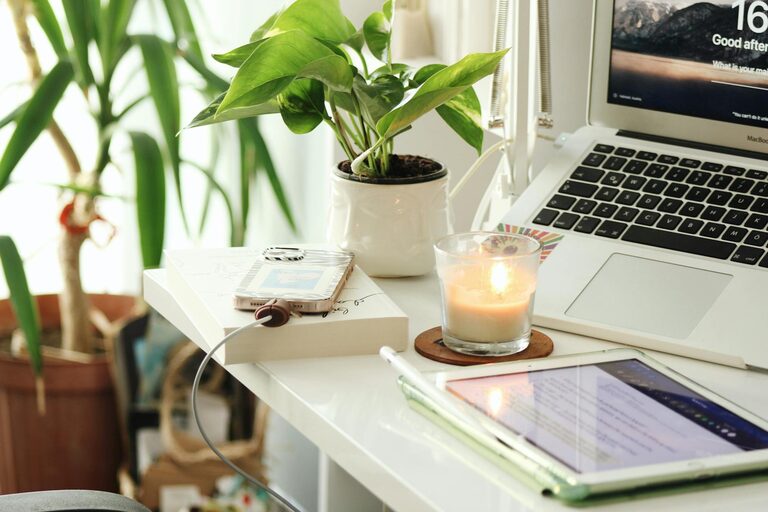
– Plants: Indoor plants improve air quality and add a touch of nature.
– Colors: Choose soothing colors for walls and accessories that suit your taste without overwhelming the senses.
These elements help make your office a space you enjoy spending time in.
Use Technology Wisely
Tech tools can boost efficiency but may also clutter your space:
– Wireless Devices: Opt for wireless keyboards, mice, and chargers to reduce cables.
– Monitor Stands: Elevate screens to eye level to encourage good posture.
– Smart Assistants: Devices like smart speakers can help with reminders and task management without being intrusive.
Keep technology organized and choose what truly enhances your work experience.
Create Zones for Different Activities
If your space allows, designate areas for various tasks:
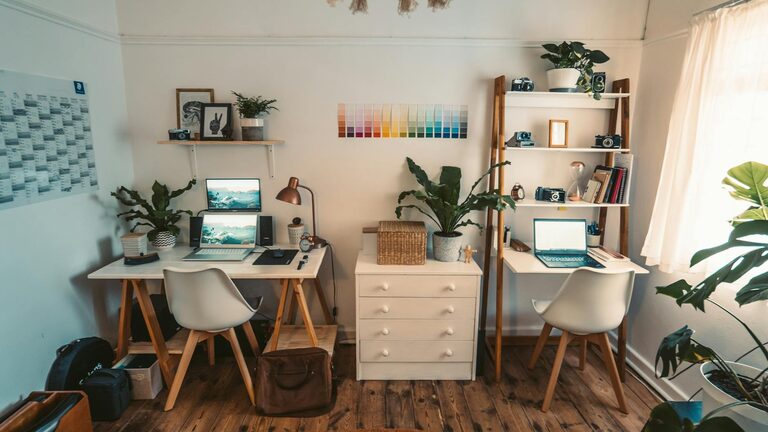
– Work Zone: Your desk and primary workspace for computer-based work.
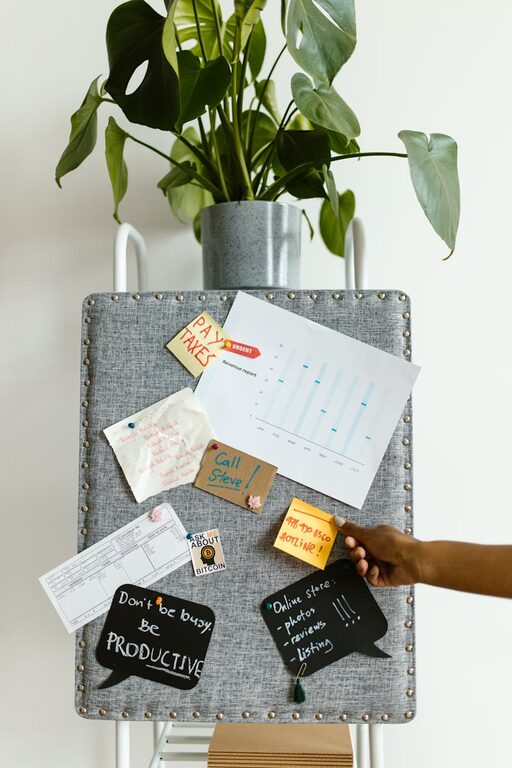
– Reference Zone: Shelves or boards to display calendars, notes, or inspiration.
– Break Zone: A comfortable spot to relax and recharge.
Zoning helps structure your day and keeps your office functional.
Maintain a Healthy Environment
Your home office should support your well-being:
– Ventilation: Ensure fresh air circulation to keep the room comfortable.
– Temperature Control: Use fans or heaters as needed to maintain ideal temperatures.
– Breaks and Movement: Incorporate short breaks to stretch and move around regularly.
A healthy environment contributes to sustained focus and comfort.
Final Thoughts
Designing a cozy and functional home office is about balancing comfort with efficiency. Paying attention to location, furniture, organization, lighting, and personalization will help you create a space that motivates you and supports your daily work. Remember that your needs may evolve, so remain flexible and adjust your setup over time. With these tips, your home office can become a favorite spot to tackle projects and enjoy your workday.