Creating a home office that is both cozy and productive can greatly improve your work-from-home experience. Whether you have a dedicated room or just a corner in your living space, setting up an inviting and efficient workspace helps you stay organized, focused, and comfortable. In this post, we will share practical tips to guide you in designing a home office that boosts productivity while maintaining a pleasant atmosphere.
Choose the Right Location
Selecting the best spot in your home for your office is a key first step. Ideally, this area should be quiet, well-lit, and free from heavy foot traffic. If possible, choose a space near a window to benefit from natural light, which can boost your mood and energy. Avoid placing your desk directly in front of a window to prevent glare on your computer screen.
If space is limited, consider using a foldable desk or converting a nook into a mini office. The goal is to create a dedicated zone that psychologically separates work from relaxation.
Invest in Comfortable, Functional Furniture
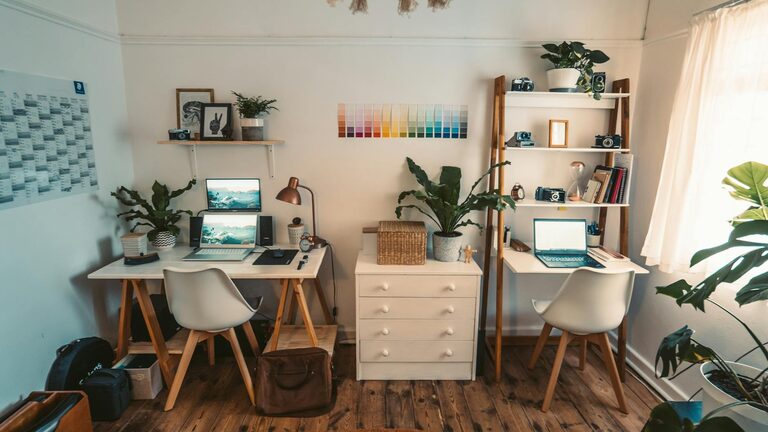
Your furniture affects both comfort and productivity. A supportive ergonomic chair reduces strain and helps maintain good posture, preventing fatigue during long working hours. If you sit at a desk, choose one with enough surface area to accommodate your computer, notebooks, and any other tools you need.
Consider adjustable desks, such as sit-stand models, to change your posture throughout the day. Adding a few shelves or a filing cabinet can help keep supplies organized and within reach.
Organize Your Workspace for Efficiency
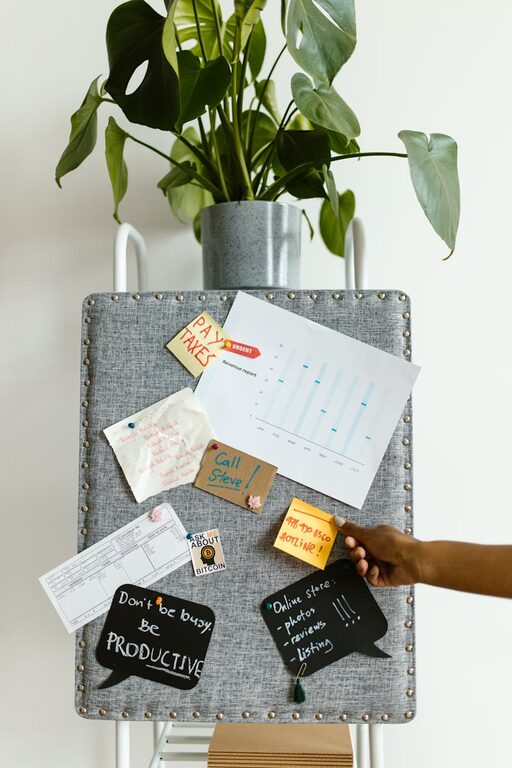
Clutter can distract and overwhelm, so keeping your workspace tidy is essential. Use organizers like trays, bins, and drawer dividers to store stationery and documents. Label folders or boxes so items are easy to find.
Cable management solutions also help reduce mess. Simple clips or sleeves can keep cords untangled and out of sight, contributing to a cleaner look and safer environment.
Incorporate Soothing Colors and Personal Touches
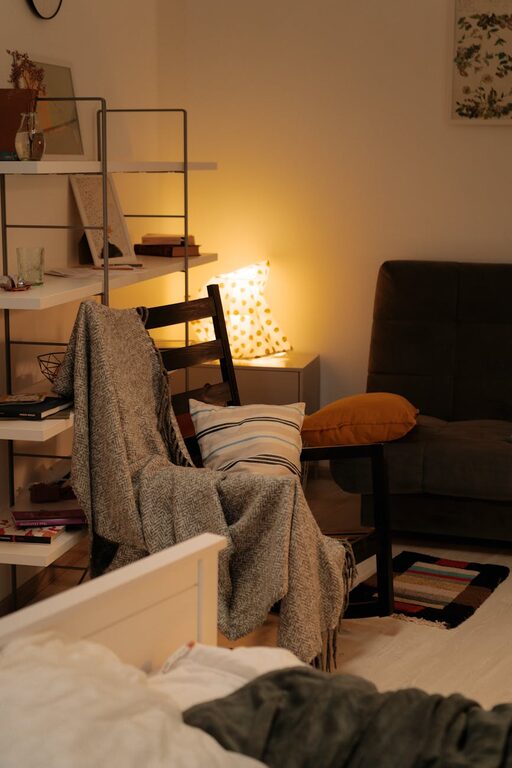
Colors influence mood and concentration. Neutral tones like soft grays, warm beiges, or gentle blues create a calming environment. You can add pops of color through accessories such as cushions, planters, or wall art to keep the space lively and inspiring.
Incorporate personal items like photos, artwork, or meaningful décor that motivate you without causing distractions. These touches make the workspace feel inviting and pleasant.
Optimize Lighting
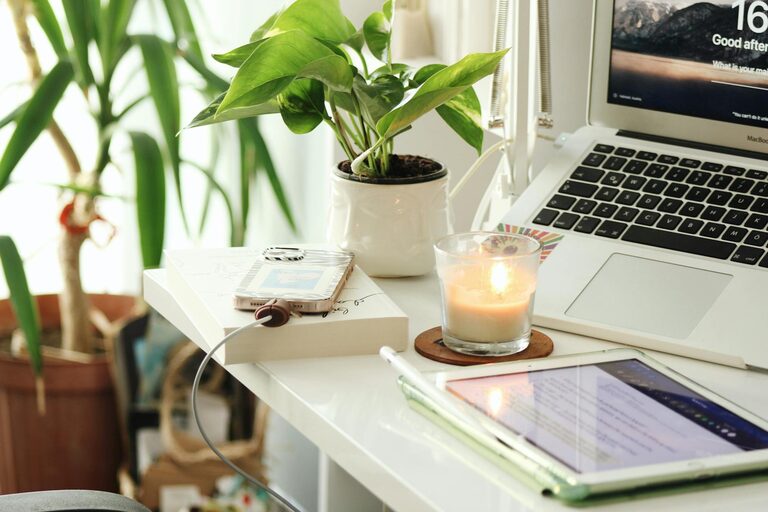
Good lighting reduces eye strain and increases focus. In addition to natural light, invest in a quality desk lamp with adjustable brightness and color temperature. Warmer tones can create a cozy atmosphere, while cooler white light is better for tasks requiring detail.
Position your light source to minimize glare and shadows on your work area. A well-lit space is essential for comfort and productivity.
Keep Technology Up-to-Date and Reliable
Ensure your computer, printer, and other essential devices are up to date and functioning properly. A reliable internet connection is crucial for remote work and smooth communication.
Consider investing in noise-cancelling headphones if your home environment is noisy. This can help you concentrate by blocking distractions.
Incorporate Greenery and Natural Elements
Adding plants to your office can improve air quality and add a touch of nature, which has been shown to reduce stress. Choose low-maintenance options like succulents or spider plants if you don’t have a green thumb.
Natural materials such as wooden furniture or woven baskets also add warmth and texture to the space.
Establish Clear Boundaries and Rituals
Creating a productive home office goes beyond physical space. Establish clear work hours and develop routines that signal the start and end of your workday. This separation helps maintain work-life balance.
Use rituals like a short meditation, a cup of tea, or organizing your desk before you start working. These actions prepare your mind for focus and productivity.
Manage Noise and Distractions
If possible, set boundaries with family members or roommates about your work hours. Use door signs or cues to indicate when you shouldn’t be disturbed.
White noise machines or ambient music can mask distracting background sounds. Experiment with what works best for you to create a calm and concentration-friendly atmosphere.
—
Creating your ideal home office is a process that involves balancing comfort with functionality. By choosing the right location, investing in ergonomic furniture, staying organized, and personalizing your space, you can enjoy a cozy environment that enhances your productivity. Keep experimenting until you find the setup that works best for your needs, and make adjustments as you go to maintain a positive work-from-home routine.