Creating a relaxing home workspace is essential for anyone working or studying from home. A calm, comfortable environment not only reduces stress but also boosts productivity and overall well-being. Whether you have a dedicated room or just a small corner, transforming your space to make it both inviting and efficient is possible with some thoughtful planning. In this post, we’ll explore practical tips to help you create a workspace that supports focus, creativity, and comfort.
Why a Relaxing Workspace Matters
Your workspace greatly influences your mood and how much you can accomplish. Clutter, poor lighting, or uncomfortable furniture can cause distractions, fatigue, and even physical discomfort. On the other hand, a workspace designed to feel relaxing can improve concentration, reduce stress, and motivate you to work more efficiently.
Choosing the Right Location
Find a Quiet Spot
If possible, choose a space that is quiet and away from household traffic. This helps minimize interruptions and distractions. For instance, a spare room, a quiet corner in the living room, or even a nook by the window can work well.
Consider Natural Light
Natural light improves mood and energy levels. Position your desk near a window, but avoid glare on your computer screen. If natural light is limited, invest in good-quality lighting that mimics daylight.
Select Comfortable and Functional Furniture
Ergonomic Chair and Desk
Investing in an ergonomic chair and a desk at the right height is key to comfort. Your chair should support your lower back and allow you to sit with feet flat on the floor. The desk height should enable your elbows to be at about a 90-degree angle when typing.
Keep It Simple
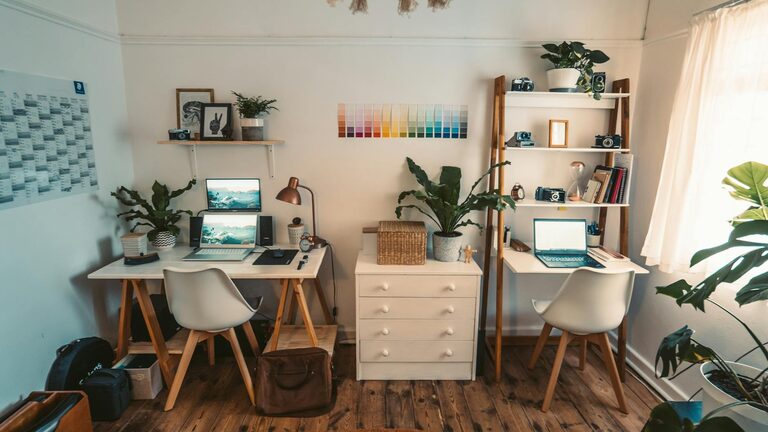
Avoid overcrowding your workspace with bulky furniture. A clean, uncluttered desk surface helps keep your mind clear and focused.
Organize and Declutter Smartly
Storage Solutions
Use shelves, drawers, or organizers to keep supplies and documents tidy. Label containers or files to find things easily. A clutter-free space reduces anxiety and improves workflow.
Regular Tidying
Spend a few minutes at the end of each day tidying your workspace. Keeping order daily prevents clutter from building up and creates a pleasant start each morning.
Personalize Your Space Calmly
Add Soothing Elements
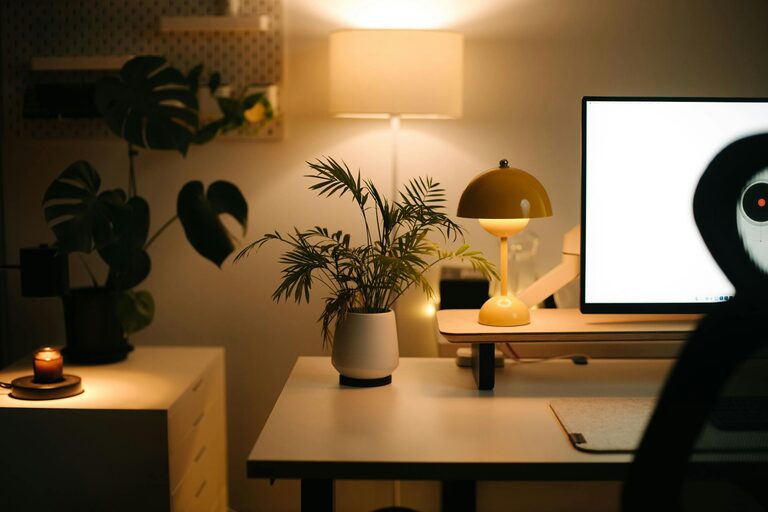
Plants, artwork, or personal items can make your workspace inviting. Choose items that relax you, such as small potted plants that improve air quality or calming pictures.
Stick to Soft Colors
Colors affect mood and productivity. Soft, neutral colors like light blues, greens, or greys create a calming atmosphere. Avoid overly bright or harsh colors that might be distracting or stressful.
Manage Technology Thoughtfully
Keep Cables Organized
Messy cables can create visual stress. Use cable clips or boxes to keep wires neat and organized.
Limit Notifications
Turn off unnecessary notifications on your devices during focused work times to minimize interruptions.
Incorporate Movement and Breaks
Use a Timer
Set a timer to remind yourself to take short breaks. Moving away from your desk helps reduce fatigue and refreshes your focus.
Stretch or Walk
Incorporate simple stretches or short walks during breaks. This promotes circulation and prevents stiffness.
Create a Calming Atmosphere
Use Aromatherapy
Scents such as lavender or eucalyptus can promote relaxation. Using an essential oil diffuser or a scented candle (if safe) can enhance the ambiance.
Manage Noise
If you can’t eliminate noise, consider noise-cancelling headphones or background music that helps you focus, like soft instrumental tunes or nature sounds.
Maintain Good Air Quality and Temperature
Ventilation
Ensure your workspace is well-ventilated with fresh air. Poor air quality can cause fatigue and headaches.
Comfortable Temperature
Keep the room temperature comfortable, neither too hot nor too cold, to maintain concentration and comfort.
Final Thoughts
Designing a relaxing home workspace is a personal experience. By blending comfort, functionality, and calming elements, you create an environment that encourages productivity and well-being. Start small with one or two changes and adjust as you discover what works best for you. A thoughtful workspace not only helps you get work done but also supports your mental and physical health.