
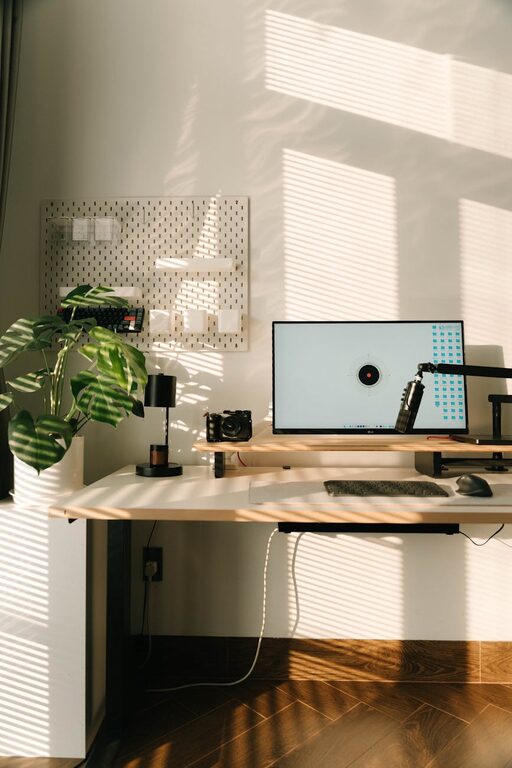
Working from home has become a common part of many people’s lives. While it offers flexibility and comfort, it also brings the challenge of staying productive in a setting full of distractions. Creating a relaxing home workspace is key to maintaining focus and achieving your work goals efficiently. In this post, we’ll explore practical tips to design a calm and inviting workspace that supports your productivity.
Why a Relaxing Workspace Matters
A workspace that feels peaceful can reduce stress and help your mind stay clear and focused. When your environment is cluttered or uncomfortable, it’s easier to feel overwhelmed and distracted. On the other hand, a well-organized, soothing workspace sets the tone for productive work hours and helps maintain a healthy balance between work and relaxation.
Choosing the Right Location
Find a Dedicated Spot
If possible, select a specific area in your home solely for work. This separation helps your brain associate that space with productivity rather than leisure. It could be a corner of a room, a spare bedroom, or even a section of your living room.
Prioritize Natural Light
Place your desk near a window for natural light, which can boost mood and energy. If natural light is limited, opt for a bright, warm-toned desk lamp to mimic daylight and reduce eye strain.
Declutter and Organize Your Space
Keep Surfaces Clear
A clutter-free desk helps reduce distractions. Store only the items you need for the task at hand and regularly tidy up your workspace.
Use Storage Solutions
Invest in shelves, drawers, or organizers to keep supplies neatly arranged. Clear containers or labeled boxes make it easier to find what you need quickly.
Create Comfort with Furniture and Accessories
Choose a Comfortable Chair
Your chair should support good posture, reducing the risk of back pain. Adjustable chairs help you find the right height and angle for your body.
Add Personal Comfort Items
A soft cushion, a cozy throw, or a footrest can make long hours more comfortable. These small touches also contribute to a pleasant workspace atmosphere.
Incorporate Calming Elements
Use Soothing Colors
Colors like soft blues, greens, or neutral tones create a relaxing ambiance. Consider painting your workspace walls or adding accessories in these shades.
Bring in Nature
Houseplants not only improve air quality but also add a refreshing touch to your workspace. Low-maintenance plants like succulents or peace lilies are great options.
Play Gentle Background Music
Some people find that soft instrumental music or nature sounds help maintain focus and calm nerves. Keep the volume low to avoid it becoming a distraction.
Manage Technology Wisely
Minimize Digital Clutter
Close unnecessary tabs and apps before starting work. Use apps that block distracting websites during work time to maintain concentration.
Keep Cords Tidy
Organizing cables under or around your desk prevents tangles and keeps your workspace looking neat.
Establish a Routine and Boundaries
Set Clear Work Hours
Having set start and end times helps your mind switch between work mode and relaxation. Communicate your schedule to those you live with to minimize interruptions.
Take Regular Breaks
Short breaks help prevent burnout and maintain productivity throughout the day. Use techniques like the Pomodoro method—working for 25 minutes, then taking a 5-minute break—to stay refreshed.
Personalize Without Overdoing It
While it’s good to have inspiring decor or meaningful items, avoid overcrowding your workspace. A few personal touches like a favorite photo, a motivational quote, or a small art piece can boost mood without creating visual noise.
Keep Air Quality and Temperature Comfortable
Make sure your workspace is well-ventilated and maintained at a comfortable temperature. Fresh air and a suitable climate can help you stay alert and comfortable for longer periods.
Final Thoughts
Designing a relaxing home workspace is about balance—combining functionality with comfort and calm. By following these tips, you can create an environment that supports your productivity and well-being. Remember, a pleasant workspace is not only good for your work but good for your mind.
Taking small steps like organizing your desk, choosing the right lighting, and adding calming touches can make a big difference in how you feel and work throughout the day. So start today and build your ideal workspace that helps you thrive at home!